


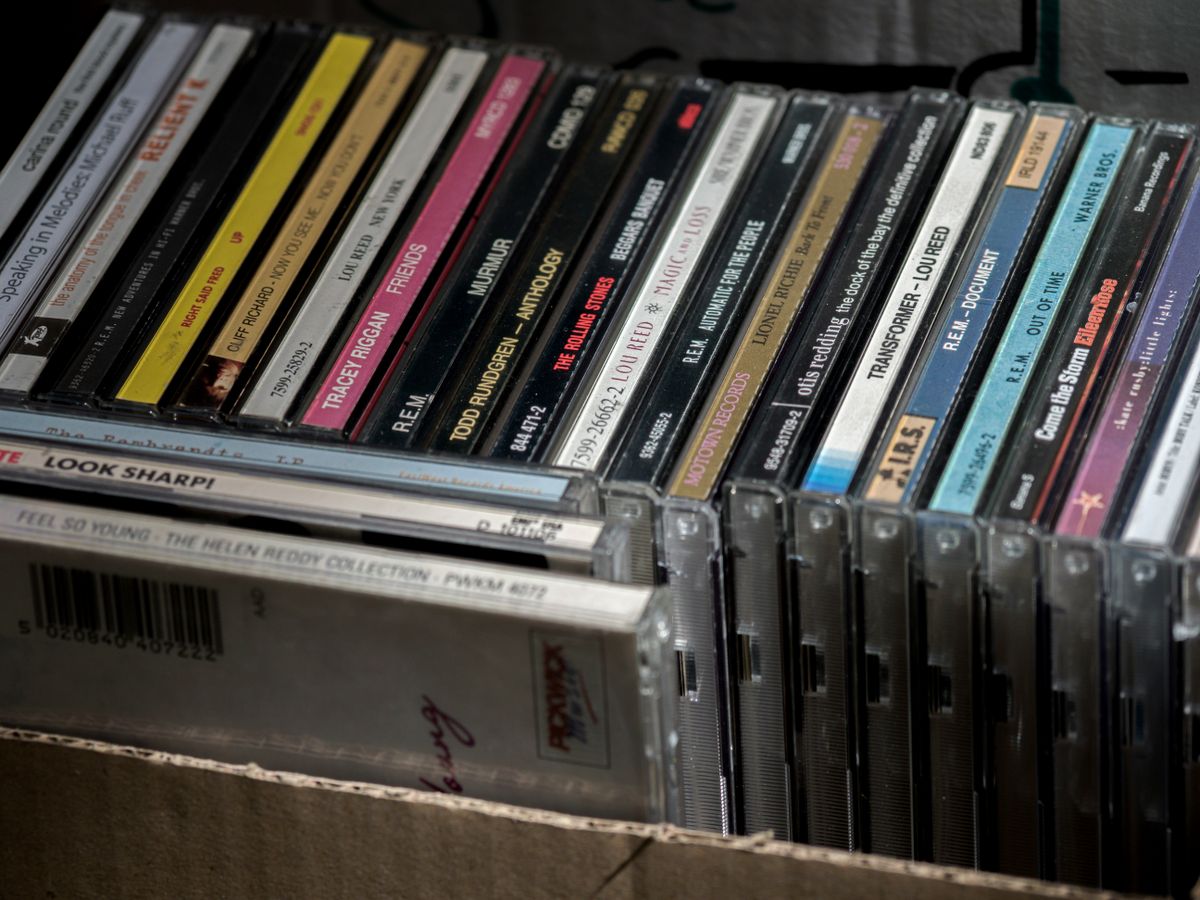
Streaming solved access and quietly broke ownership. Everything is available until the licence lapses, the regional catalogue shifts or the algorithm decides you would rather hear something else. A disc on a shelf does none of that. It plays the same album, in the same order, in ten years, whether or not anyone is still paying a monthly fee.
The refurbished market for CDs is also the kindest one there is. A disc that has been played a hundred times sounds identical to one played once, because nothing physically touches the data. What ages is the case, and cases are replaceable for small change. That is why a pre-owned album carries so little risk compared with refurbished electronics.
Build Along a Timeline, Not a Genre
The usual mistake is buying five albums that sound alike, which turns a shelf into one long mood. Ordering by year instead gives a collection shape: you can hear production styles change, hear studios get louder through the 2000s, and the shelf becomes something you browse rather than something you skip through.
Five albums spread across two decades costs less than a year of most subscriptions, and the used music section is deep enough that the limiting factor is shelf width, not availability.
Five Albums, Oldest First
1995 — Michael Jackson, HIStory: Past, Present and Future, Book I
Half greatest hits, half new material, and the rare compilation that justifies its own existence rather than being a contract filler. As a starting point for a shelf it does an unusual amount of work, covering a decade of singles in one sitting, which means the next four albums can be specific rather than foundational.

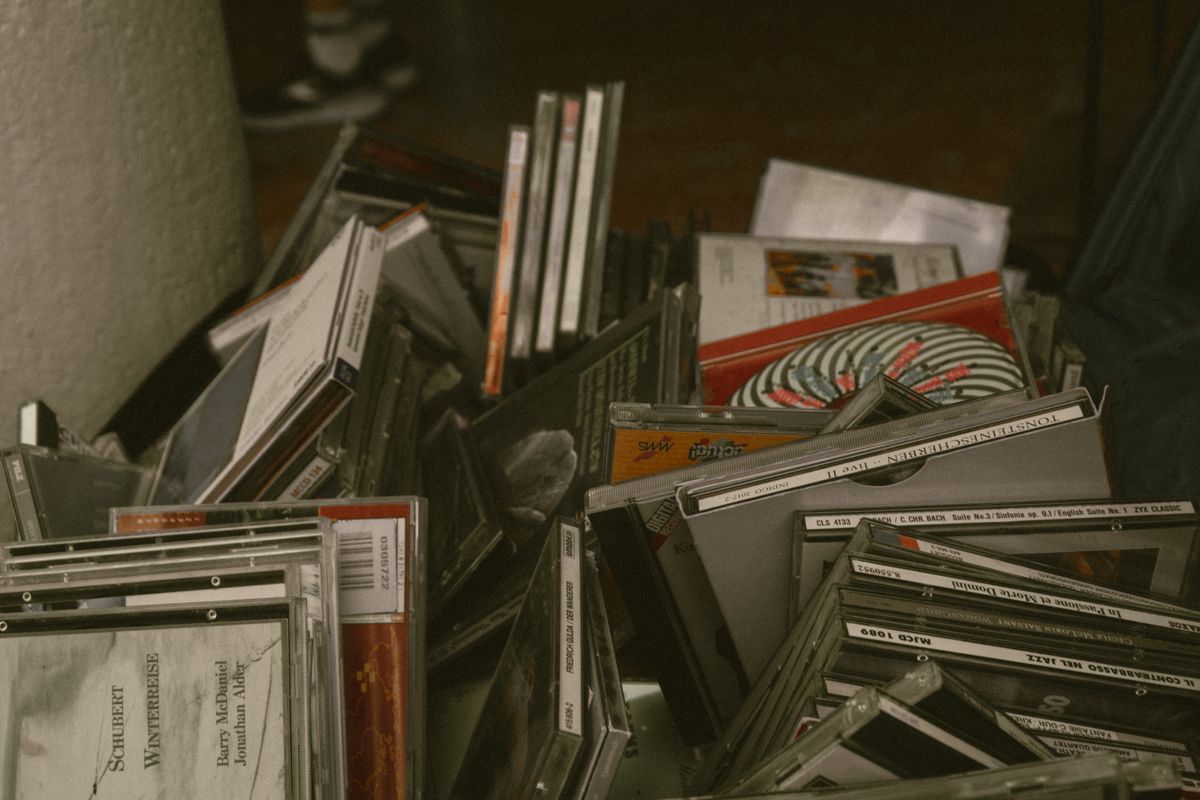
1999 — Red Hot Chili Peppers, Californication
The record that sounds like a particular summer to anyone who was around for it, and holds up for everyone who was not. Worth owning on disc specifically: the mastering has been argued over for twenty-five years, and the original pressing is a fixed reference point rather than whatever version a streaming service is serving this month.
2000 — Linkin Park, Hybrid Theory
Short, dense and almost entirely without filler, which is why it still gets played start to finish rather than shuffled. It is also one of the most-pressed albums of its era, which on the refurbished market means excellent copies are plentiful and the price stays sensible.
2002 — Eminem, The Eminem Show
The album where the production and the writing arrive at the same level, and the one most worth hearing in sequence. Track order does real work here, which is precisely what gets lost when an album becomes a playlist and three songs go missing in the shuffle.
2004 — Green Day, American Idiot
Built as a single continuous piece with two long multi-part tracks holding it together, so it suffers more than most from being broken up. If one album on this list makes the argument for owning a physical copy and sitting through it, this is the one.
Reading Condition on a Disc
Condition grades on music describe the packaging, not the audio. “Very good” usually means a case with light shelf wear and an intact booklet; the grade below that often means a scuffed case or a replacement one. The disc itself is checked either way, and a small scratch on the playing surface is corrected by the player without anyone hearing it.
If the booklet matters to you — lyrics, liner notes, artwork — pay the difference. If the disc is going into a changer or straight onto a hard drive, take the lower grade and spend the difference on another album. Either way the album listing states what is included before you order.
One Practical Note on Playing Them
Plenty of houses no longer have a disc player, and that catches people out after the order arrives. A basic external drive connected to a laptop will rip a collection to lossless files in an afternoon, which gives you both: files for daily listening and discs as the backup that no subscription can revoke.
Wrapping Up
Spread the release years, let packaging condition set the price instead of the audio, and rip anything destined for constant play. rebuy states edition and contents beneath every title, which separates a plain pressing from a deluxe one well ahead of checkout. If building something permanent appeals, damenmoda covers that ground.


